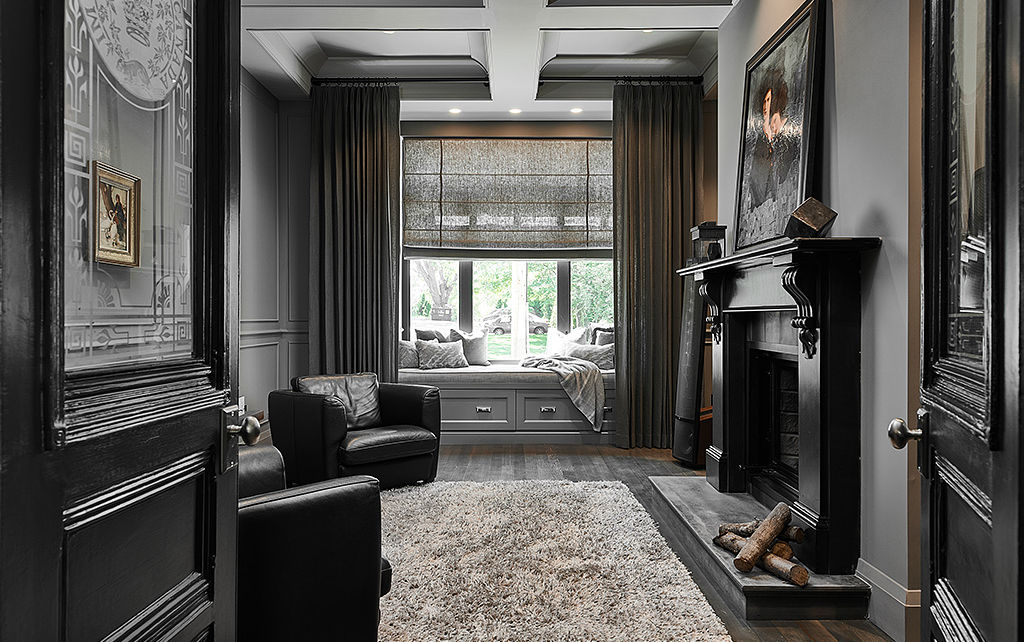
Part of what makes Victoria such a charming place to live is the abundance of beautiful old architecture. Throughout the Greater Victoria area, homes and businesses occupy character buildings featuring charming old-period designs, stained glass, and detailed woodworking. This carefully preserved heritage is a source of pride for Victoria residents. This post is part of our Heritage Home Renovations series exploring the rules, incentives, and unique considerations involved in renovating and restoring heritage properties in Greater Victoria, with upcoming features on Oak Bay and Saanich.
The Old Town section of downtown is packed with heritage buildings from our early days of commerce, and residential areas like James Bay, Fernwood, and Rockland are known for their wonderfully preserved character homes.
While it’s an honour to own one of these heritage properties, renovating these buildings requires an extra level of commitment and attention to detail. Choosing a home builder with specific heritage home restoration experience is the best way to avoid hiccups and ensure things are done right.
This blog details everything you need to know about Heritage Designation in Victoria, restoration incentives, and renovation guidelines.
Heritage Designation in Victoria
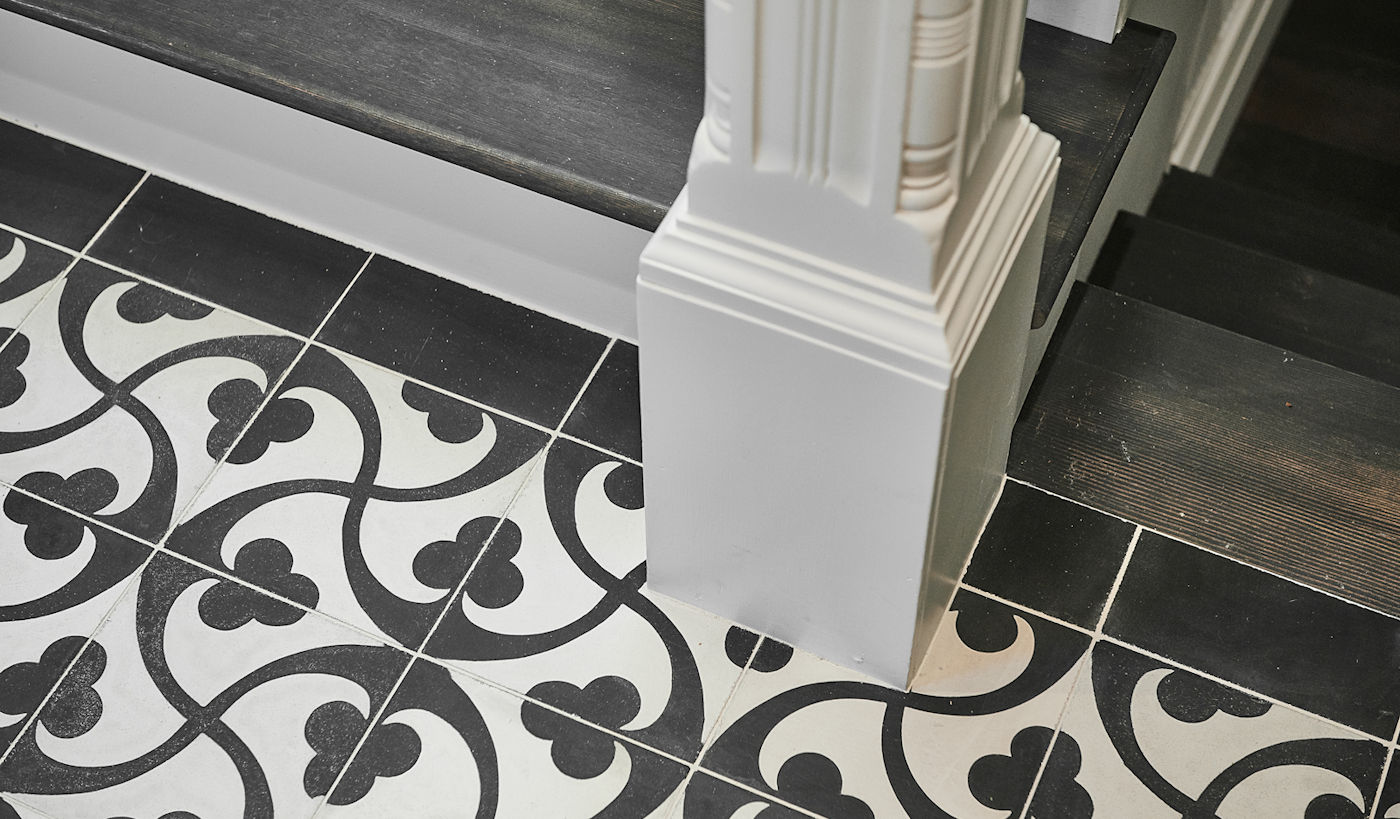
City of Victoria’s heritage-designated properties are protected by the Municipal Heritage Designation Bylaw, which states a property cannot be altered or demolished without Council’s approval. This official recognition doesn’t impact living in the building as normal, and will even provide you with incentives to preserve its character.
Each municipality has a slightly different treatment of heritage properties, with heritage designation providing legal protection as well as support for preservation. Work with your custom home renovator to make sure you are aware of your municipality’s requirements and benefits for heritage-designated private property.
The designation is a formal legal mechanism applied to the property’s title, which can vary in scope. Designation can apply to the entire property or just exterior, interior or landscaped sections.
If you live in or have purchased a home with heritage designation, that means you’ll need to obtain a Heritage Alteration Permit for any changes or renovations. Typically, major changes are limited to interior aspects of the home. Similar to a rezoning process, this can include public hearings, committee review and council approval. With decades of experience preserving heritage homes in Victoria, permitting is something Horizon Pacific Contracting is very comfortable with handling for you.
If you think your home should be designated Heritage, you can always apply. The City offers a brief heritage designation application form on their website. Just make sure you’ve got property details like lot size, date of construction, relevant historic information and photos.
Incentives for Heritage Restoration
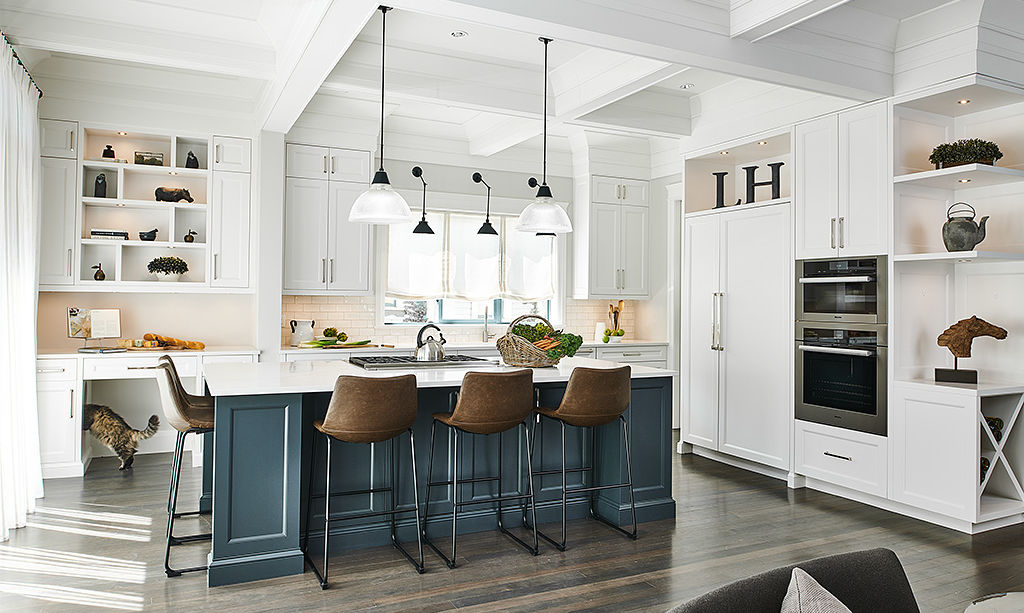
The City of Victoria offers several grant programs and tax incentives dedicated to the preservation and improvement of heritage buildings.
The Victoria Heritage Foundation (VHF) receives funding from the City, which is passed along to homeowners via the House Grants Program. These grants are designed to assist single-family homeowners with the costs of restoration and repairs. Each grant may cover up to 50% of project costs to a maximum of $15,000.
The application period for these grants is February 1 – March 31. Decisions are then reached in May, and all grant-awarded work must be completed by February 28th of the following year.
Learn more about rehabilitation requirements and apply here: Heritage House Grants
The City also offers a Heritage Tax Incentive Program for designated commercial, industrial or institutional buildings. Visit their site to inquire: Heritage Tax Incentive Program
Upgrading a Heritage Building
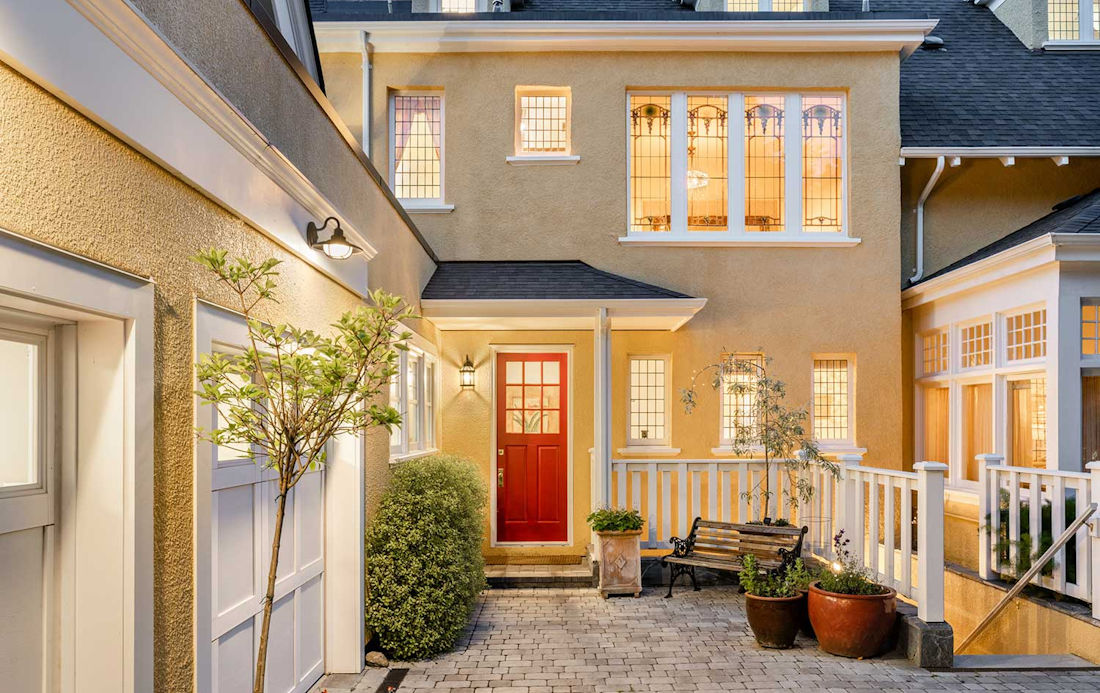
Heritage homes in Victoria can be repaired, modified and renovated so long as the modifications comply with a list of best practices and are approved by the City. Everything must run through the Heritage Alteration Permit process. Regular maintenance does not need to be approved, however, provided there are no changes to the appearance of the home (ie, materials, design).
In 2005, the City of Victoria adopted the Standards and Guidelines for the Conservation of Historic Places in Canada. This national standard was designed to protect the country’s irreplaceable historic places. This framework of best practices does not include technical requirements, but instead offers a philosophy and guidelines for decision-making.
The primary goal of the Standards and Guidelines for the Conservation of Historic Places in Canada is to conserve heritage with minimal intervention. This means you cannot remove, replace or substantially alter any character-defining elements. You also cannot create a false sense of historical development by adding elements from elsewhere or combining features that never co-existed.
Maintenance is a major aspect of any homeownership – heritage homes included. When repairing a heritage home, materials must be reinforced rather than replaced unless the material is extensively deteriorated. Missing parts may only be replaced with surviving prototypes that match forms, materials and detailing. If you’re making a heritage home addition, it must be physically and visually compatible with the historic part of the home.
Heritage Conservation Areas & Districts
Heritage Conservation Areas (HCAs) are districts with shared heritage value and character. The City’s Official Community Plan (OCP) has identified 12 distinct districts between 2 HCAs, which is broken down starting on page 183.
Commercial Heritage HCA & Subareas
HCA 1 is for Commercial Heritage, with these subareas:
- Core Historic – Featuring City Hall and numerous churches, this busy downtown area is home to iconic streetscapes and skylines.
- Fernwood Village – A small commercial village with a cute, distinctive character highlighted by mixed-use masonry buildings.
- Fort Street Corridor – Now a bustling commercial zone, there are many buildings here leftover from the streetcar era and Edwardian building boom.
- Inner Harbour – A hub of tourism and government, home to the iconic Parliament Buildings and Empress Hotel.
- North Park Village – The up-and-coming North Park community is known for its Victorian and Edwardian architecture.
- Old Town – Primary historic and commercial district with a high concentration of low-scaled historic masonry from the Victorian and Edwardian periods.
- Rock Bay – The historical industrial district with clusters of former factories and warehouses built in Victorian or Edwardian style.
Residential Heritage HCA & Subareas
HCA 2 is for Residential Heritage. Five unique subareas have been identified by the City due to their well-preserved architectural styles, consistent streetscapes and landscaping, and similar roof lines and cladding. HCA 2 subareas are as follows:
- Avalon-Huntington
Avalon-Huntington 27 properties in James Bay spanning several streets and including the James Bay Inn. Built in late 19th and early 20th century, Italianate, Queen Anne and Arts and Crafts are the dominant architectural styles. The homes are modest in size with wood siding, peaked roofs with gables and dormers, bay windows made of wood, small front yard setbacks, and corbeled brick chimneys.
- Battery Street
The Battery Street subarea includes homes, infill apartments and condominiums along Battery, Olympia, Douglas and Government Streets in James Bay. This area occupies the former Hudson’s Bay Company’s Beckley Farm, which was subdivided into homes starting in the mid to late 19th century. Queen Anne, Italianate and Arts and Crafts styles are found here, featuring peaked roofs with gables and dormers, bay windows on front and side elevations, stone walls, and decorative wood details like brackets and bargeboards.
- Catherine Street North
Catherine Street North includes 23 properties on Catherine Street, Arthur Lane and Currie Lane in Vic West. The street is home to grand homes built for industrial business owners. Built in the late 19th and early 20th century, these homes are characterized as Queen Anne, Italianate and vernacular workers’ cottages. The homes have wood siding and windows, a park-like street experience with trees and gardens, rock walls along property lines, bay windows, peaked roofs, corbelled chimneys, and covered front porches.
- Lewis Street
Near the water along Dallas Road, the Lewis Street subarea is a cluster of 15 homes 1 ½ and 2 ½ storeys tall. Homes here are aligned with Queen Anne, Colonial Bungalow and a number of interpretations of the Arts and Crafts movement. On these properties, you’ll find low fencing along property lines, spacious covered porches, wood siding, raised basements, generous glazing on front façades, peaked roofs and decorative columns.
- Robert Street
South of Esquimalt Road and the E&N Rail Trail in Vic West is the Robert Street subarea, with 13 homes standing 1 ½ storeys tall. This area is filled with Minimal Traditional homes plus earlier Victorian and Edwardian era homes. Homes in this area are known for rectangular lots with spacious front yards, consistent pitched roofs, two-tone colour schemes, broad porches, classical columns, and carved brackets.
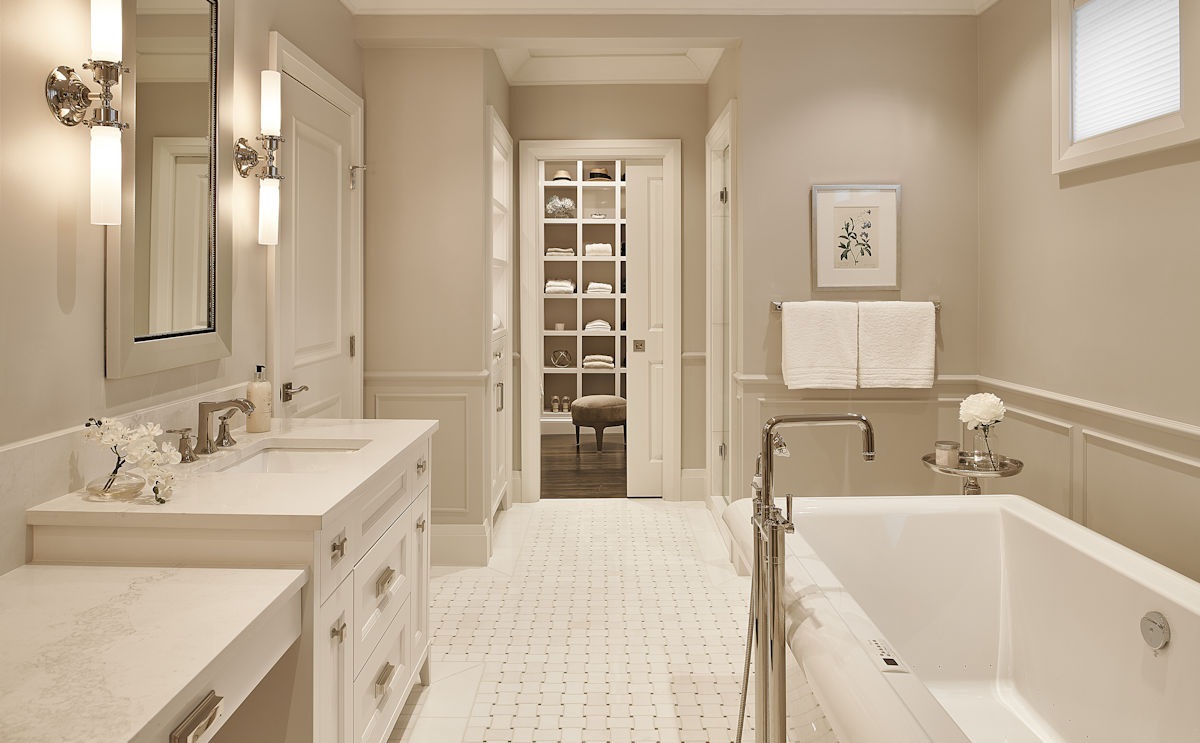
Before you begin planning an upgrade to your character home, be sure to review the Residential Heritage Conservation Area Guidelines and consult a custom home builder with serious experience restoring heritage homes.
Horizon Pacific Contracting’s 30+ years of experience will guide you through the process to ensure all requirements are met while also meeting your renovation goals. Contact us today to inquire about your project.