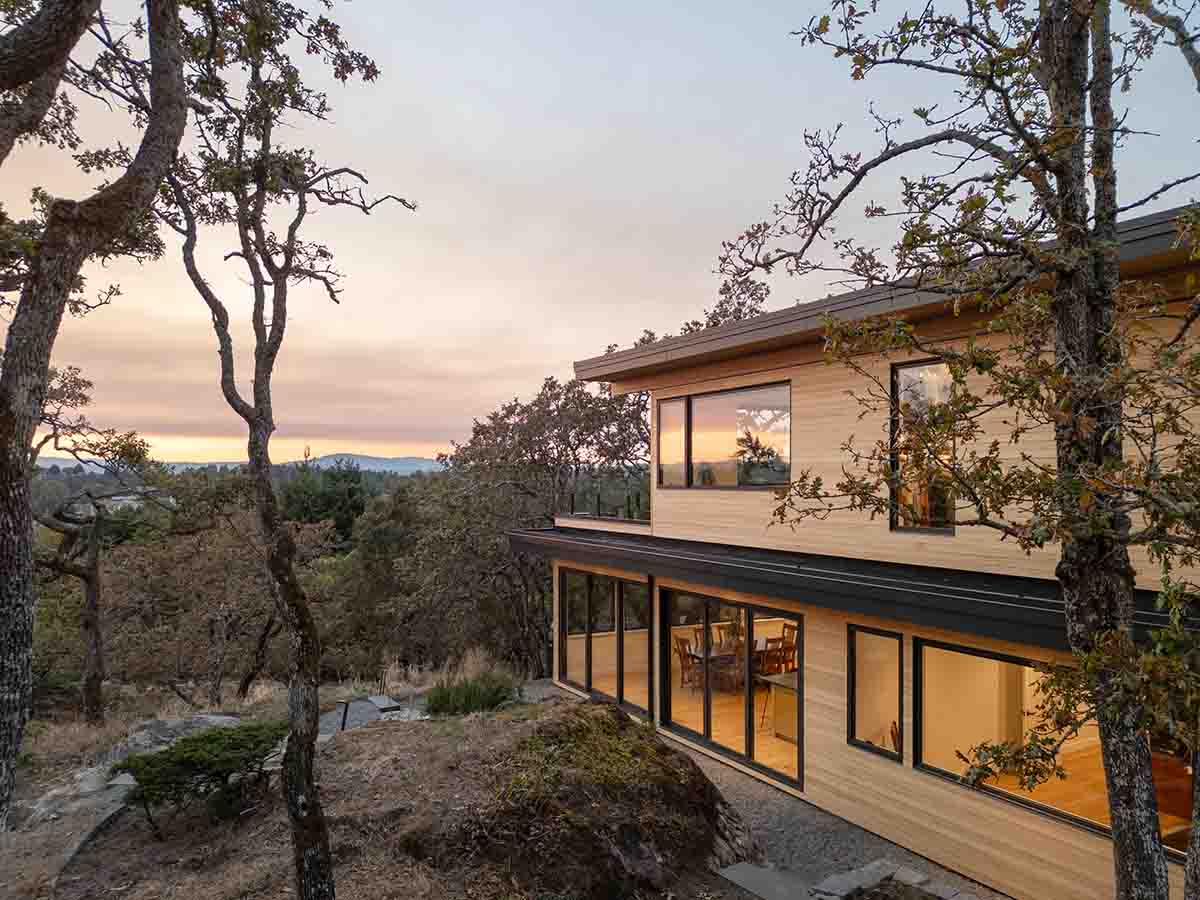
Your custom home builder is the team leader who ties your house building project together. Your builder brings the architectural plans to life, integrates your vision into every aspect of your home and ensures everything meets building code, bylaws and covenant requirements. We chatted with the project managers at Horizon Pacific Contracting about some key points in the home building process and how your builder keeps your project moving forward.
“We manage the-whole process from start to finish, working to ensure permits are completed, establishing a realistic budget, hiring and managing the trades so stages are completed to ensure the project moves along in a timely manner,” says Kyle Hofer of Horizon Pacific Contracting. “Being the middleman between homeowner and architect, building inspector, trades and more, our job is to ensure the homeowner is getting what they want. We have the broad overview to ensure things stay on track.”
Read on to find out more about how your home builder brings success to important stages of your project.
Reacting to Supply Chain Issues and Material Demands
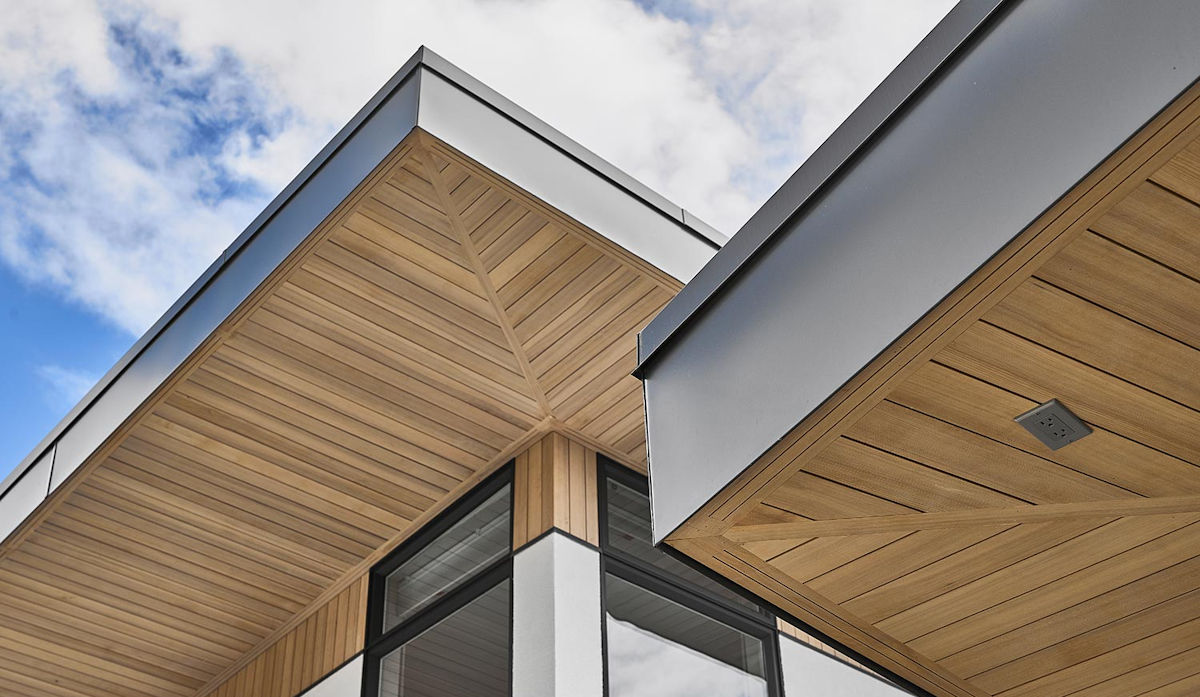
Supply and demand for new custom home projects are ongoing challenges – not only managing materials so they are ready when you need them, but also to manage constantly-shifting pricing. Supply chains have changed significantly in the last several years, making materials availability and pricing much more difficult to manage.
“We are primarily Canadian sourced which helps with planning and cost stability” says Dave Fallows, Project Manager at Horizon Pacific Contracting. “It still requires a diligent amount of planning and coordinating but eliminates some issues of cost variability and being held up in shipping or at the border. Where possible we recommend a Canadian source.”
Using local materials and locally-made products is becoming a point of pride for homeowners. “While there will always be a place for exotic stone and wood, more and more people are embracing local materials,” says Kyle Hofer, Project Manager at Horizon Pacific Contracting. “People want that connection to local places and the quality is as good or better than anything imported.”
“There is an added benefit of material lead times being much shorter with a local supplier and there is less uncertainty with the products going directly to the job site,” adds Hofer. “With local materials you get something beautiful and you also get a history of how it came to be, there’s a more personal connection.”
Navigating Changing Costs and Budget Fluctuations
Horizon Project Managers strongly recommend bringing the builder onboard early in the process – at the same time or even before your architect or designer. Involving the builder early helps ensure your concept and plans can be tailored to fit your budget. This helps avoid changing the design down the road to accommodate features, unnecessarily adding cost and time.
As a Design + Build contractor, Horizon works with the architect to contribute advice from “on the ground experience” to support the transformation from plan to reality that more than meets the homeowner expectations.
“After building hundreds of custom homes our teams have a pretty good sense of how to make people’s ideas of what they want into an aspect of their home,” says Fallows. “This is the valuable experience a builder should bring to your project. It’s far less likely something will be overlooked with that level of guidance along the way.”
Fallows advises investing in a structure that will last, meeting your needs in the short, medium and long term. Interior finishes can be flexible, colours and finishes can be changed but the structure can’t. “Well, it can at great cost.” And many things required under the building code must be incorporated into the overall design in order to maintain a seamless, modern aesthetic. “Everything is flush and hidden but it still has to be there. Those steps and costs are necessary.”
Building a House is Personal & Collaboration is Vital
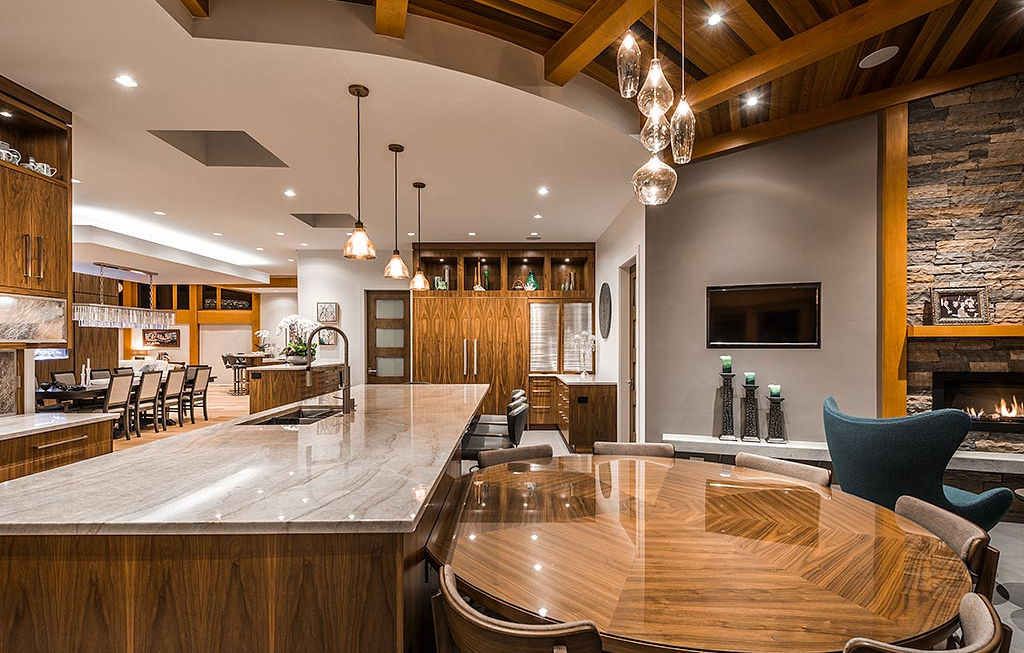
Fallows often helps homeowners shape the concept of what they like and what they want to incorporate into their house. Sometimes it’s designed around travels, sometimes it’s inspired by a rental house or a lodge they previously stayed in and sometimes it’s aspects of a childhood home. With a custom home there are no wrong answers: it’s personal to you.
“Some people bring social media photos which is very helpful for the interior designer. For the builder working with the architect, it’s in-person experience, the liveable experience that we work from. The homeowner knows the feeling they want for their home and how they want to experience it. That’d what we work from.”
Hofer also recommends bringing the experts together early in the process and having that whole team assembled at the beginning of the project. “If you have everyone providing input at the beginning you can avoid paying for things twice. A builder will advise on whether a house can be built for the budget or if some design tweaks are needed to accommodate features or building code requirements. It’s far more economical – and usually more options are available – to make adjustments before the build starts.”
“The builder is the only member of the team who has total involvement from permits to move in. You can expect ongoing collaboration with your builder with weekly meetings to discuss progress and how the build is meeting your expectations. We also take drone footage to show the homeowner the progress from the same vantage point as your architectural drawings for added context,” adds Hofer.
Environmental Design Considerations
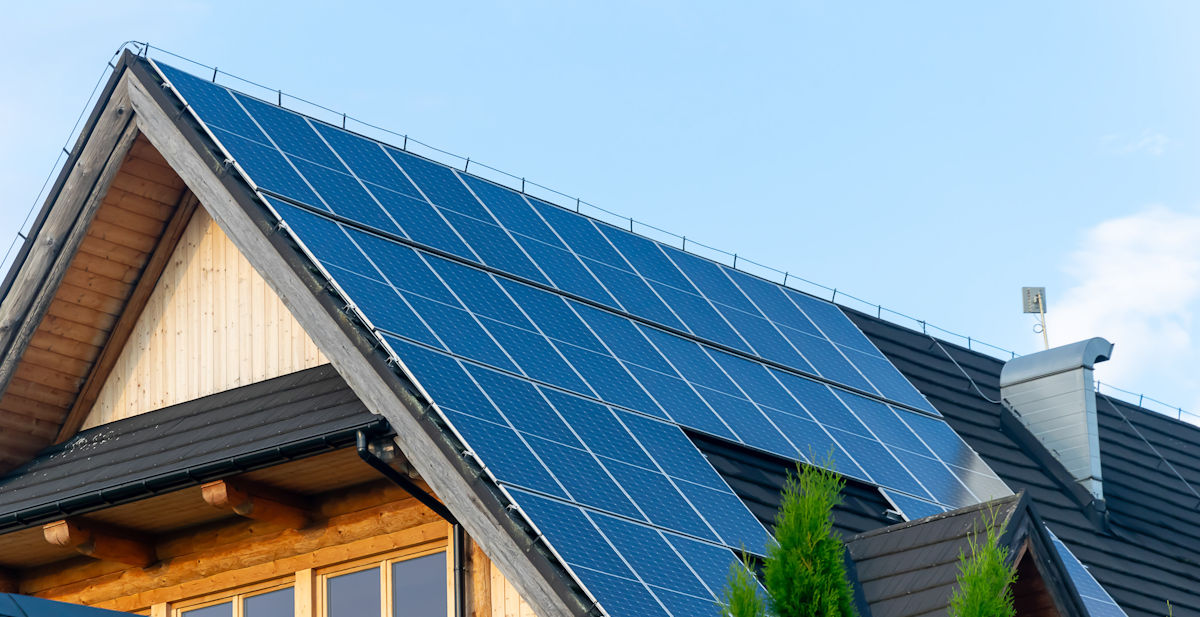
More people are planning for weather and other impacts in the design and build of their home. Not only is weather affecting homeowners on a more frequent basis, insurance is also looking at weather risks and impacts. Planning for extreme weather at the build stage is one of the best ways to proactively protect your home.
“More often we are building features that protect from wildfires as well as earthquake resistance,” says Fallows. “We are installing a lot more solar panels both to cut energy costs as well as for energy security.”
“As energy costs are increasing, homeowners are much more interested in efficiency and in particular reducing energy usage,” says Kyle Hofer. “It’s not just about how much it costs to build a home, it’s also about how much it costs to live there. There is also a lot more interest in having low maintenance, durable materials that fit the modern aesthetic.”
Additionally, aging in place features are more top of mind. Features such as elevators, zero entry for wheeling in and out as well as ramps are more frequently integrated into modern designs. The features blend seamlessly into the aesthetic of the home while ensuring livability in the home for years to come even if personal circumstances change.
“People are often thinking this is their last home and they want the features to be comfortable. When they are designed into the home there is a seamless transition as people age without sacrificing design. And when you plan for it you can also manage those components in stages. An elevator shaft can be built or conduit for solar panels put in place with those features installed later to spread out costs.”
One of the less talked about aspects of building a home is the consideration of what comes next. A custom home should meet your needs now and well into the future based on how you see your life evolving. Even when you can’t be certain what the future holds, considerations such as planning for a family, looking ahead to retirement or whether family caregiving is on the horizon are important aspects of planning and building a custom home.
Learning to Make the Tough Choices
One of the biggest challenge that homeowners are encountering is matching expectations to available budget.
“Increasing building requirements means more money is spent before you get to the fun things like flooring and fixtures. A lot goes into what you don’t see,” says Hofer. “Money does not go as far as it used to and we are here to help balance wants and expectations with requirements to keep the dreams and the budget in line.”
Working with an experienced builder helps homeowners prioritize the features that matter most to them. “Often, when we dig into the details of costs and benefits, people streamline their wish list,” says Hofer. “We work with clients on their have-to-have and nice-to-have lists so people are prepared with all the information when it comes time to make decisions. It’s a far more constructive process than designing for everything you can think of then taking features away.”
Reacting to Changing Regulations and Permitting
One of the most important things your builder will bring to the table is up-to-date information. This means not only informing homeowners of grants and subsidies but also being aware of building code and other regulations which are regularly changing. This can range from Provincial Step Code updates to changing municipal requirements.
“Archaeological considerations are increasingly important and we advise homeowners on how to be prepared for that. If a site already has archaeological restrictions building starts can be delayed by a year or more – something we suggest people consider before buying a property,” says Hofer. “Archaeological discoveries can also cause delays and it’s important to know the correct procedure both to preserve anything that is found as well as ensure the project isn’t unnecessarily delayed. There are a lot more regulations than a few years ago so it’s critical to be current. This helps insure inspections go smoothly and the project keeps moving forward.”
If you’re assembling your home building team or are interested in finding out more about Horizon Pacific Contracting’s process, contact us to meet our team.