
Climate change is becoming a major driver of modern home design and construction. Fires, flooding, drought and other environmental events are forcing homeowners to make decisions on building design and materials. Governments around the world, including Canada, are increasingly adopting building strategies aimed at reducing emissions, lowering energy costs and improving resilience in a changing climate.
In British Columbia, these changes are especially relevant, as homeowners and custom home builders adapt to more frequent extreme weather events and evolving building codes.
Climate Risk and Resilient Home Design
The changing climate is bringing more severe weather events along with it. And these trends are only expected to continue. Here in BC, the risk of wildfires, heatwaves and flooding are very real.
BC Housing published a Climate-Ready Housing Design Guide to serve as a reference tool for builders with objectives and strategies for climate resistant design. Here are a few of the outlined climate hazard mitigation strategies:
Heat-Resistant Strategies

British Columbia has experienced record-breaking heat in recent years, including the 2021 heat dome that saw Lytton reach the highest temperature ever recorded in Canada. Numerous temperature records were broken in early 2026 and more record-setting temperatures are expected. Extreme heat events are expected to become more frequent, which makes designing for them even more important.
One strategy incorporated into modern home design is a focus on passive cooling strategies, including:
- Designs with central courtyards and corridors to enable cross-ventilation
- Exterior shading through design and landscaping to reduce solar gains through windows on south and west facing facades
- High-performance glazing to reduce solar heat gain
- Optimized exterior colours and finishes that stabilize heat gain
- Mindful window to wall ratios, prioritizing operable windows that promote cross-ventilation
- Optimized building location, orientation and shape
Building Homes That Can Withstand Wildfires

Wildfires are an ongoing risk in British Columbia, with fire seasons becoming longer and more intense in recent years. While fires present a real risk to damage or destroy a home, there is also a recognition of the significant impacts of wildfire smoke.
Home construction strategies now focus on reducing ignition risk and improving fire resistance:
- Use fire-resistant siding materials like fibre cement, metal or stucco
- Add fire-rated doors and tempered, double-paned glass windows
- Consider Class A fire-rated roofing materials like metal or tile, including flashing, roof edges, and eaves
- Add ember-resistant mesh screens to exterior vents to prevent sparks from entering the home
- Use a continuous, ignition-resistant or non-combustible top surface for exterior decking, balconies and porches
- Maintain a 1.5m non-combustible zone around the home, opting instead for materials like dirt, rock and stone
- Reduce coniferous trees and dry vegetation within 10 metres of the home where possible
- Built to control air flow into the home
- More sophisticated HVAC/ventilation systems & filters
For a more thorough list, check out FireSmartBC’s Wildfire Resilience Best Practice Checklist, which includes specific items for all areas of home construction and landscaping.
Flood-Resistant Home Design

Nearly the entire province is exposed to at least some level of flooding, whether from sea level rise, melting snow or excessive rainfall. As illustrated by this map from ClimateReadyBC, some of the most recent severe flooding has occurred on Vancouver Island and the Lower Mainland.
The primary goal of the provincial guidelines is to restrict the development of homes in high-risk flood areas. All living spaces should be elevated above natural boundaries and 100-year flood levels, and coastal homes should take into account sea level rise projections.
For new construction, there are a number of guidelines to follow, including:
- Consider roof materials like metal, slate or clay, which are extra effective at preventing water from pooling or seeping through
- Use moisture-resistant building materials that absorb minimal water, such as fiber cement siding and closed-cell insulation
- Do not install electrical outlets too close to the ground
- Design landscaping to direct water away from the home
- Use semi-permeable or permeable surfaces for driveways, patios to reduce water runoff and surface pooling
Earthquake Safety in Home Construction
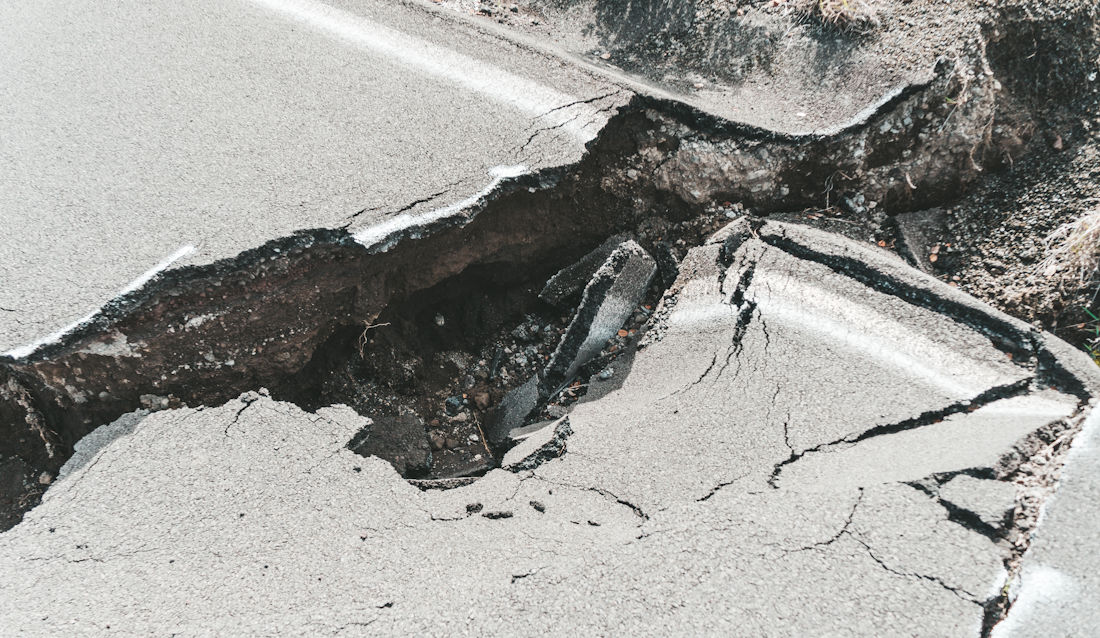
British Columbia is one of the most seismically active regions in Canada, particularly in southwestern areas. While large earthquakes are not frequent, seismic preparedness is a key part of modern construction standards.
BC Housing’s Realizing Resilient Building in BC report (page 66) outlines how to make homes and buildings more resistant to seismic activity. In addition to that, the BC Building Code 2024 is in effect, which introduces stricter home building rules.
Some key building strategies include:
- Open-concept homes may require additional structural reinforcement, including braced wall panels and engineered load paths. Wall panels prevent side-to-side motion caused by earthquakes, while load paths channel kinetic forces safely into the ground.
- Install blocking at all sheathing edges, which helps to evenly transfer side-to-side movement into the framing.
- Ensure non-structural hazards (like water heaters and HVAC equipment) are fully restrained.
- Construct with lightweight materials like mass timber, which will act to dissipate energy. This reduces structural damage caused by shaking ground.
BC and Federal Incentives for Energy-Efficient Homes

The Canada Green Buildings Strategy is in place to renew Canada’s building sector with the aim of reaching climate goals and reducing monthly energy bills.
The Oil to Heat Pump Affordability Program is available to BC residents. If your home is currently being heated with oil, you may be eligible to receive up to $10,000 from the federal government. This money is available to cover the purchase and installation of heat pump systems, along with necessary electrical and mechanical upgrades, oil tank removal, and switching of other oil-using household systems.
The BC provincial government has stepped up too. CleanBC’s Better Homes program offers rebates for BC households making energy-efficient upgrades.
It’s worth checking what rebates are available as programs change:
- The Energy Savings Program, which provides rebates for lower income households looking to make home energy upgrades
- Funded by BC Hydro and FortisBC, the Home Renovation Rebate Program helps BC households of any income with energy efficient upgrades
- Various rebates available for electric vehicle charging stations
- Various rebates available for solar panels and battery storage
Ask your builder about any incentives or rebates that might be available. Your builder should have the latest information and can advise about what will work best for your home.
Energy Systems & Appliances
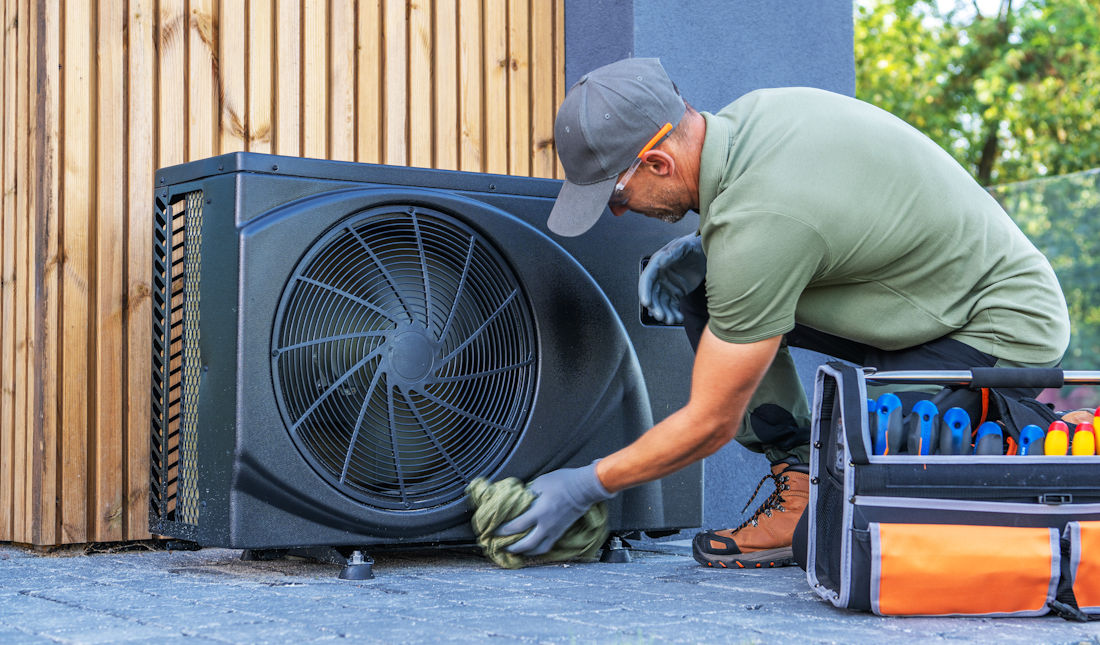
The BC government released the BC Energy Step Code and the Zero Carbon Step Code to reduce the impact of new construction.
The BC Energy Step Code regulates energy efficiency and how much energy a building uses, while the Zero Carbon Step Code regulates greenhouse gas emissions, also known as the carbon footprint.
In combination with municipal targets, the goal of the Zero Step Code is to make homes cleaner, more efficient and more affordable to operate. In order to achieve this, the focus for homes becomes the appliances and systems used in the home, along with the energy sources used to power them. Everything from fireplaces to ventilation to cooking appliances is being targeted.
Heat pumps have been and continue to be a primary tool for decreasing emissions. Cold-climate air source heat pumps extract thermal energy from outside rather than simply generating heat. And geothermal ground source heat pumps transfer heat from the earth inside. These systems are significantly more efficient than traditional heating methods.
There are all kinds of higher-efficiency appliances on the market these days as well. ENERGY STAR refrigerators and freezers use significantly less power. Gas ranges are being ditched in exchange for electric. Even front-load washers are far more efficient than typical top-loaders.
To offset carbon emissions coming from the home, BC homebuilders and homeowners are rushing to install renewable energy sources. Solar is the star of the show. With solar energy systems, many BC homes can offset a significant portion of their electricity use, and in some cases export surplus energy back to the grid.
Here in BC and across the country, homes are being built to new standards. With the help of an environmentally savvy custom home builder that understands the modern methods, you can live a healthier, happier life while greatly reducing your carbon footprint and, in many cases, your energy bills.
Contact Horizon Pacific Contracting to discuss your custom home or renovation project:
Contact Horizon Today