Soundproofing is becoming an increasingly important consideration in home design and custom home building across Victoria and Vancouver Island. More Canadians are choosing multi-generational living arrangements, and many are also working from home. As a result, homes are being used more intensively than ever, and the need for quiet, private spaces, especially home offices, is growing.
However, many existing homes weren’t designed with noise mitigation in mind, which can lead to unwanted sound transfer between rooms and from the outdoors.
This article explores practical soundproofing methods that can help reduce noise transfer throughout your home.
Soundproofing Doors and Windows to Reduce Outdoor Noise

If you’re getting a lot of noise from the outside, chances are the sound is seeping in through the entry points of your home – the doors and windows.
The best doors for blocking outside noise are heavy, solid core doors. Made from wood, metal, or composite materials, these doors are extremely dense and prevent sound from passing through them. Because these doors are built solid and heavy, they’re able to achieve a higher sound transmission class, or STC. A sound transmission class (STC) rating of 50–60 is generally considered very effective for reducing noise between rooms and from the outdoors. As a general rule, heavier doors perform better acoustically. People tend to use hollow core doors for inside the home to save money, but this is at the cost of sound-proofing. Always consider that when costing out interior doors and partitions.
The doors’ surrounding sealant makes a big difference for noise transfer reduction as well. Acoustic sealants often made of rubber can be applied around the door to stop sound from leaking in. You can also add door bottoms or sweeps to close that drafty gap between the floor and door.
The windows are another pesky entry point for sound. Depending on the window quality and surrounding construction, sound is likely gaining access through small gaps or directly through the glass. Simply replacing worn-out weather stripping or applying acoustic caulking can noticeably reduce noise leakage. For a full upgrade, replace your windows with heavier glass built with dual pane construction that creates its own soundproofing with the dead air space. This will also improve the home’s efficiency, reducing home heating costs.
Best Wall Construction Methods for Soundproofing a Home
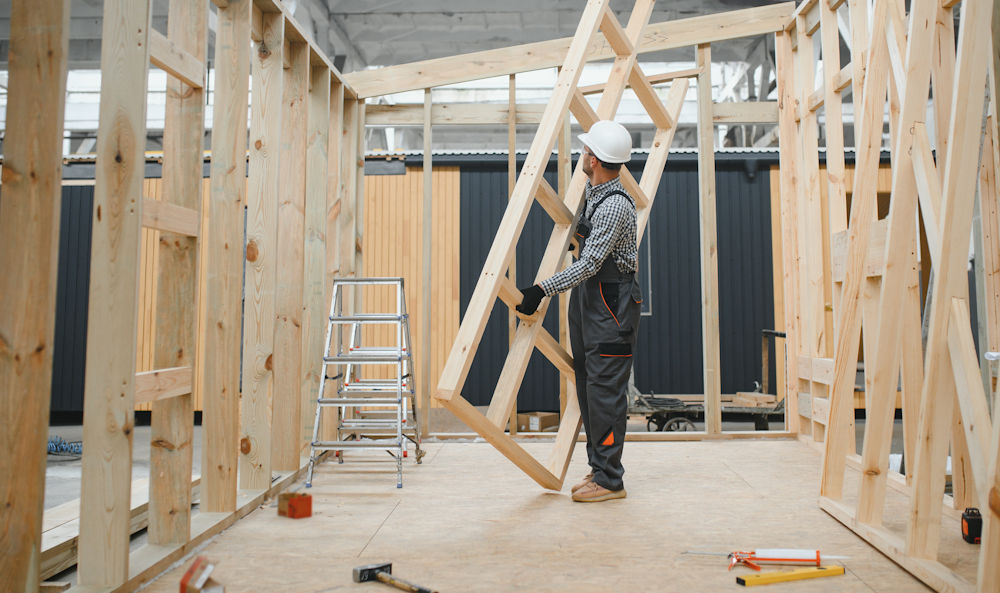
When building a custom home, construction of the walls is one of the best areas to focus on for soundproofing. There are a few strategies your builder could use to help reduce the transfer of sound through the home’s walls.
Mass-loaded drywall is more dense than standard drywall, and is highly effective at blocking sound. This drywall is 5/8-inches thick, and is able to achieve a far higher STC rating than standard, 1/2 inch or 3/8 drywall. It’s also increasingly used in higher-performance builds for this exact reason as well as its superior structural integrity.
Instead of building with a single row of studs, your builder could also stagger studs on a wider plate or construct non-connected walls. These are known as double stud walls, which work wonders shutting down sound vibrations.
If soundproofing is a priority, there are specialized sound-damping compounds and products available that can be implemented in a custom home:
- Engineered soundproof drywall built with a polymer core
- Viscoelastic damping compound added between drywall layers
- Special acoustic insulation (often made of mineral wool), which is denser than fiberglass
Soundproofing Floors and Ceilings in Multi-Level Homes
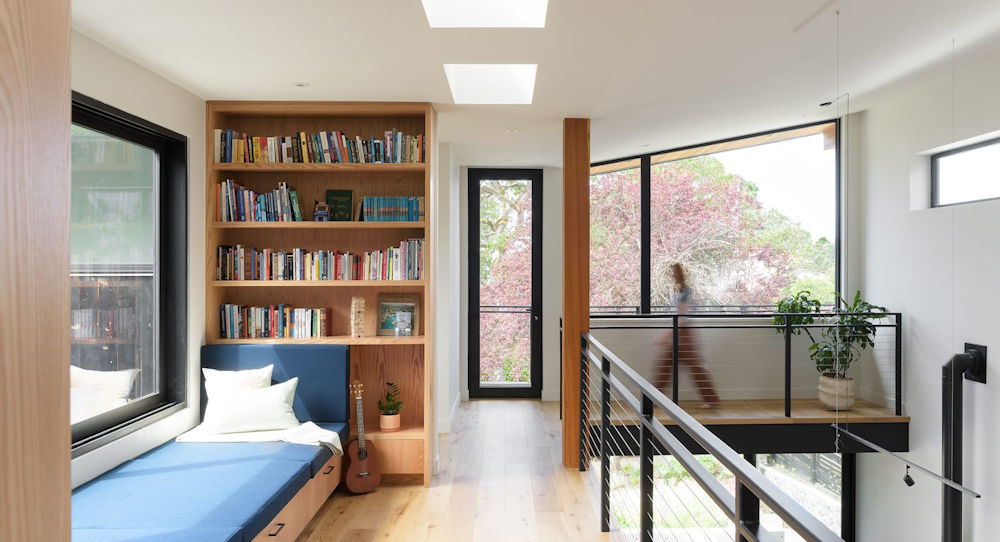
For apartment buildings, townhomes, and multi-level homes with multiple generations living inside, the floors and ceilings are another opportunity for soundproofing.
One technique for reducing noise transfer is to de-couple the floor and ceiling to break the path of those distracting sound waves. This can be done by installing metal channels on joists to hang drywall, ensuring that sound vibrations are not directly transferred between levels through the joists.
Materials can also be added to reinforce the ceiling/floor level and disrupt the passage of sound. A thick underlayment of felt or rubber material or a specialized soundproofing fibreboard can be built underneath the finished flooring. From the ceiling, special acoustic panels can be hung to reduce noise while providing a decorative touch.
Using Rugs and Carpets to Reduce Noise Inside the Home

If you’ve ever lived in a fully carpeted space, you’ll know how much it can reduce everyday noise. Footsteps, dropped items, and voices are noticeably softened compared to hard flooring.
While wall-to-wall carpet is less common in modern home design, area rugs are a simple and effective way to improve sound absorption in a room. Thicker, tightly woven rugs with dense underlays generally perform best.
How Furniture and Interior Design Help Reduce Noise

Aside from rugs and carpets, homeowners can use furnishing choices to greatly reduce the transfer of sound. Without the need for any construction, soft, dense or thick furnishings will block sound.
An empty room tends to amplify sound, making noise more noticeable. Fill that room up with furniture, and it instantly becomes more insulated to noise from other rooms or floors. Soft, upholstered furniture does this best. Think large sofas, armchairs, and other furniture made from plush materials like suede or velvet.
Along with furnishings, window dressings hung from the ceiling also bring surprising noise suppression characteristics. As an upgrade over standard curtains, look for heavier, multi-layer curtains, which absorb the sound rather than blocking it. Cellular shades and solid wood shutters will also prevent sound from passing through the glass.
Your furnishings don’t need to be soft to block sound. Just as double-layer drywall reduces sound transmission, large solid furniture pieces can also help disrupt sound movement through a space. One of the best furniture choices for a soundproofed wall is a large, wood bookshelf. Large dressers, wardrobes and cabinets are effective as well.
If soundproofing is a priority for custom home building and renovation projects, it’s best to plan for it early in the design stage. For homeowners in Victoria and across Vancouver Island, thoughtful acoustic design can significantly improve comfort and livability.